
Our Stories of Acceptance, Rejection, Craft, Product, Egoism, Altruism, Mastery, and Power
Let us now step back from the individual domains of Resurrexit Spiritus and see how they all weave together into a single and coherent framework. Of course, this is merely a “best” theoretical construct, imperfectly reflecting our human journey toward spirit, which also mirrors the parable of the prodigal son. This is anticipated, since the allegory was constructed in spiritual ideas, so long as Resurrexit Spiritus is accurate, and it is albeit as loose as the language and terms used.
The four domains in the phenomenology as described in the articles of this current series: Kratos, Telos, Eros, and Logos, these are not isolated stages but interconnecting blocks representing our spiritual growth. Each domain builds upon the previous one, guiding us from rejection to balance, from isolation to love, and finally to mastery through willpower, and the overall wisdom which is refined in the process of virtues development.
A massive part of Resurrexit Spiritus is in the structural virtues system, with its twelve virtues and their corresponding sins which all link to the domains in general order. Awareness, Morality, Propriety, and Spirit become the moments of our awakening to deepening Honesty, Perseverance, and Analysis, which guide us in navigating the challenges of the Kratos, Telos, Eros, and Logos domains. These guard us against those moments of Ignorance, Apathy, Lust, and Fear where the tyranny of Conceit, Sloth, and Confusion dominates.
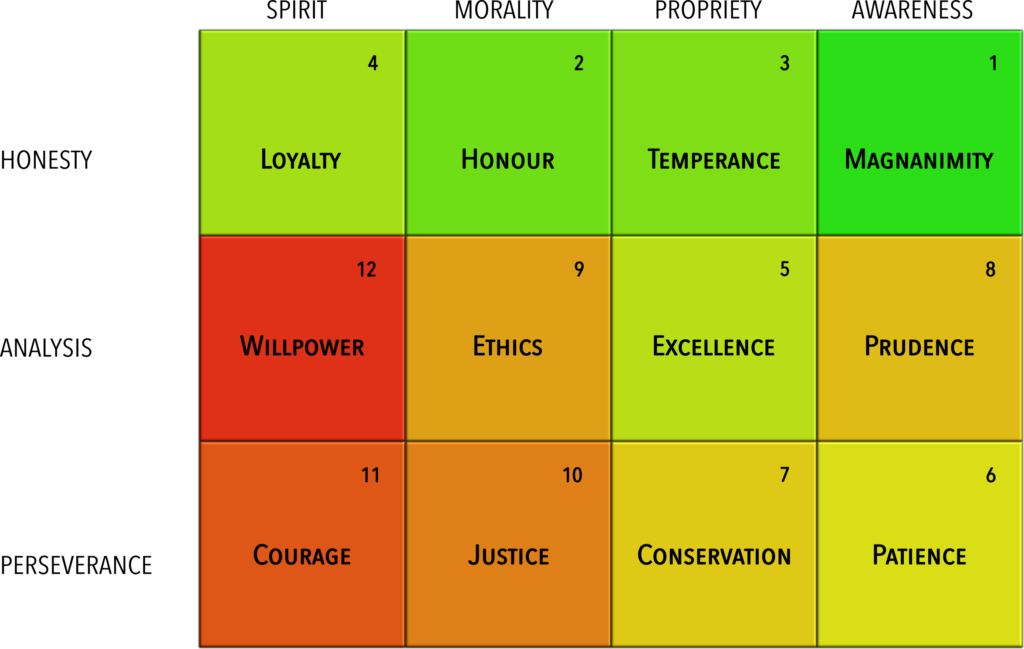
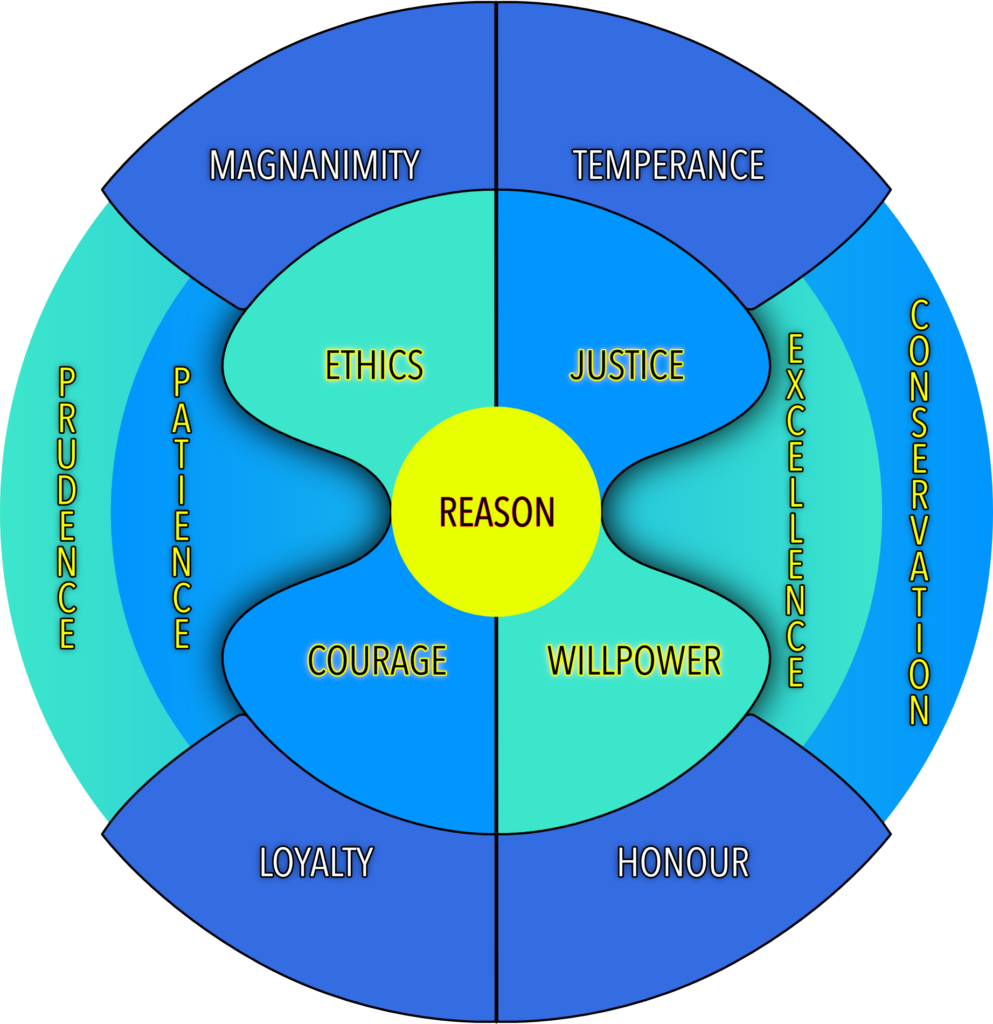
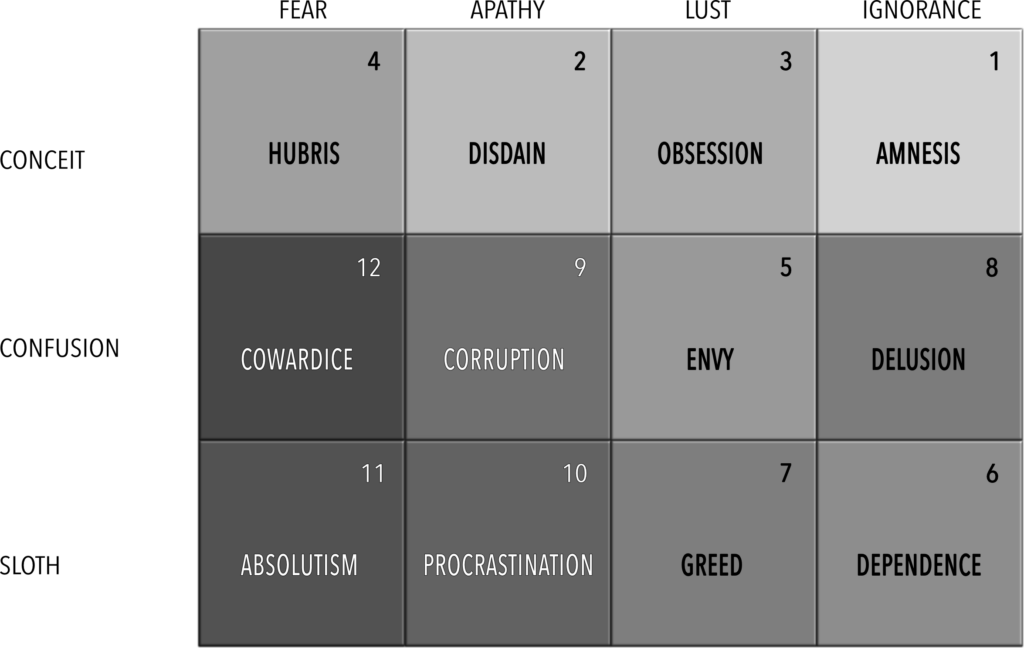
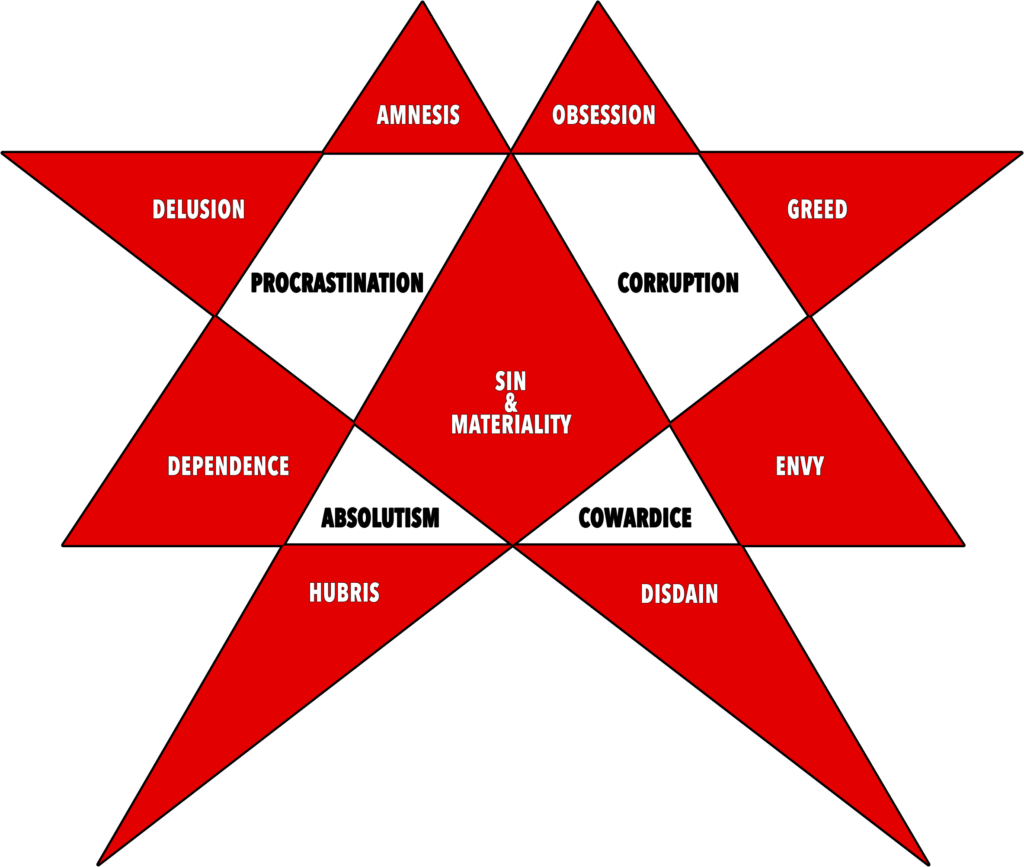
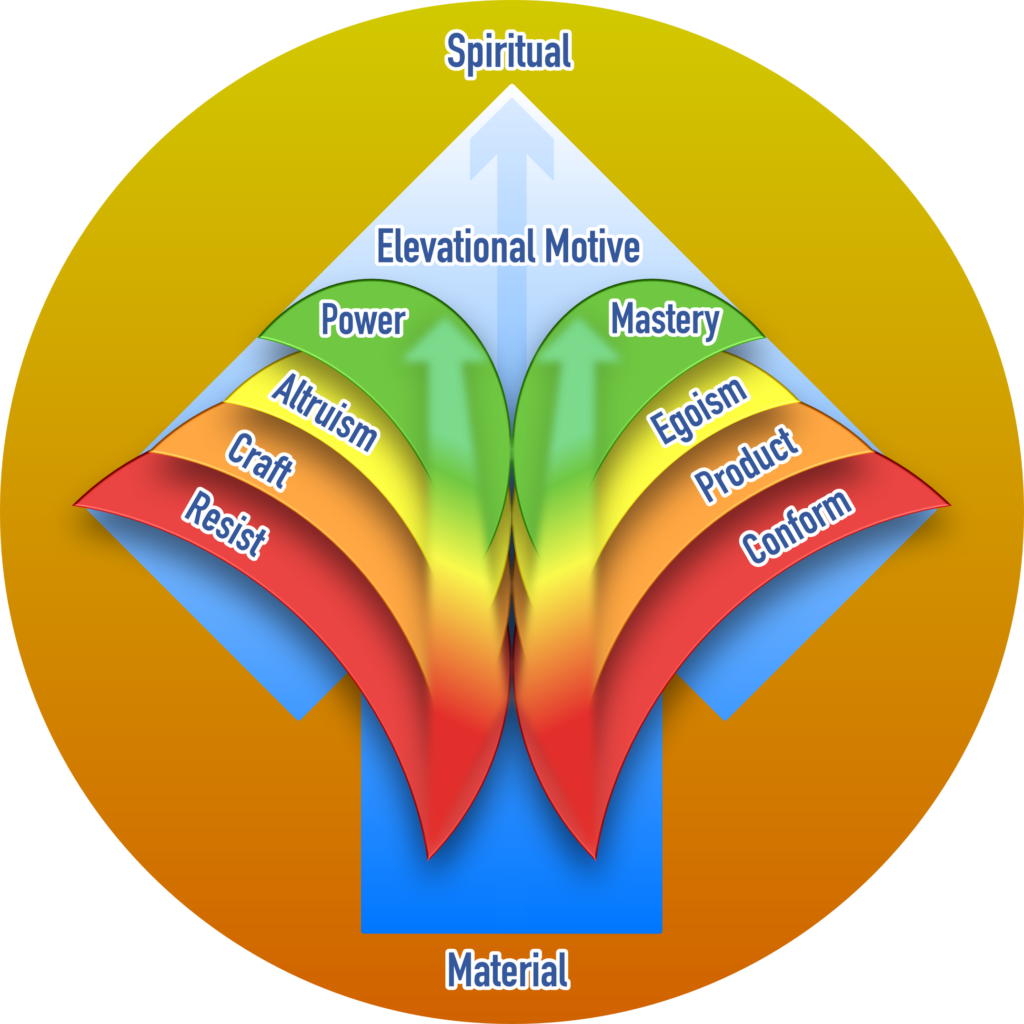
The Prodigal Son’s story is not just about redemption but about transformation. The extremes were never the path, but rather teach us things about the path in moderation, and these are the things which click and make more sense when the words of Christ touch upon our ears. These things do not speak of self-interest in isolation but of service within community. To be human is to struggle, to fall, to rise again, and to find our way home through love, wisdom, and willpower. Obviously this will not be identical between people, however the themes of extremes and moderation in life remain, even if a person never gets the self into half the trouble or primarily and quietly learns from the mistakes of others.
In reality, the philosophy invested into Resurrexit Spiritus is an open invitation to all, to live fully in community with purpose as aligned with the divine Will. It is a journey that begins with rejection but ends with a full restoration long before completion, much as the prodigal son’s father did, a path that leads us away from excesses in lust or fear to moderation, from isolation in sin to love in righteousness, and finally, to mastery over ourselves and the world around us. We walk this path together guided by the light of divine grace and God’s design for our development.
READ RESURREXIT SPIRITUS!